
Space Force taps Slingshot to build AI adversaries for orbital wargames
Slingshot's TALOS AI tool will be integrated into Space Training and Readiness Command's classified training operations, according to the company.
Slingshot's TALOS AI tool will be integrated into Space Training and Readiness Command's classified training operations, according to the company.
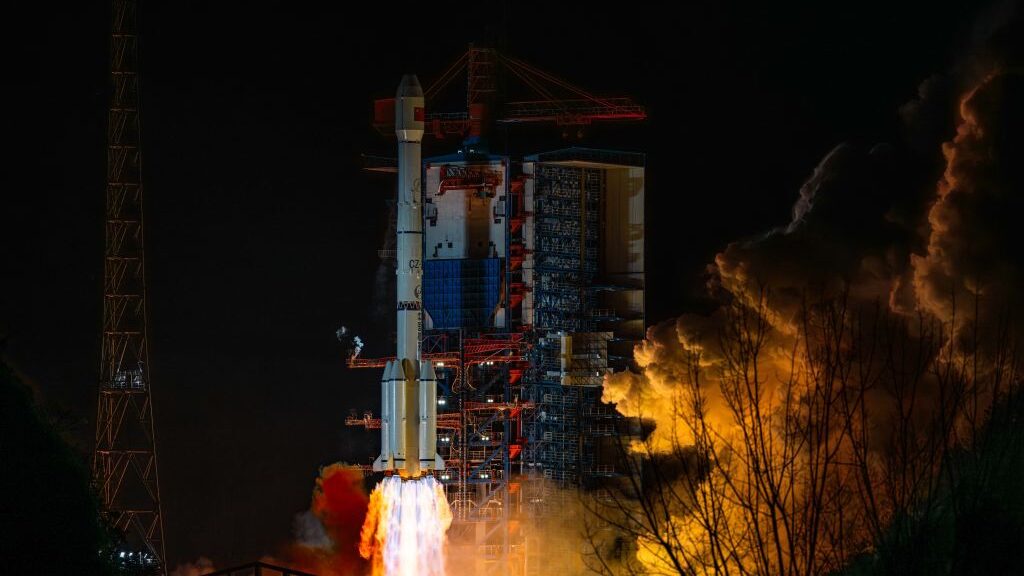
"While this type of close approach activity does not automatically signify a military mission, it obviously could provide a co-orbital counterspace capability," expert Victoria Samson told Breaking Defense.


"Being able to tell the commander you don't need to do something is actually a pretty powerful message, as well."
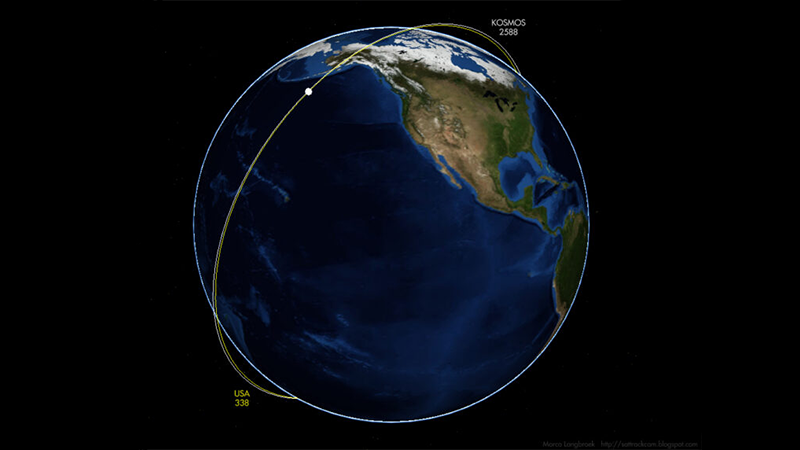
Based on its orbital pattern, independent astronomer Marco Langbroek said he suspected the new satellite is joining other Russian "sleeping interceptors."
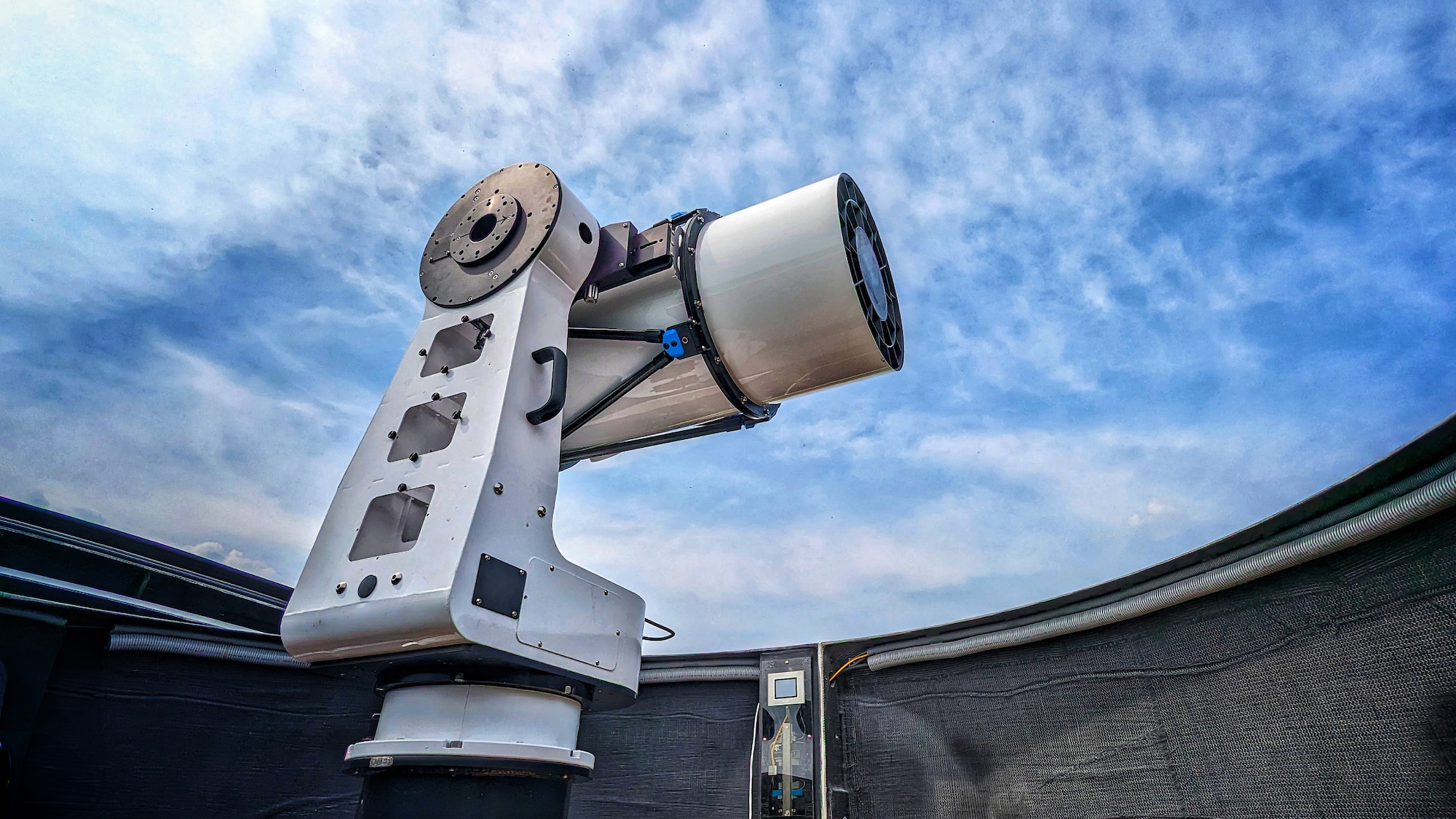
Once up and running, the new TraCSS.gov site will allow commercial and foreign operators to migrate from DoD's Space-track.org website for accessing data on space object whereabouts.

Hiding in the sun, launching mini satellites and radar absorbent materials are just some of the tricks nations are using to hide their military satellites in orbit.

"I would imagine that as Department of Commerce continues to mature this concept, we will definitely want to take advantage of what they're doing," said Vice Chief of Space Operations Gen. Michael Guetlein.

AI is reshaping the Army’s approach to cyber, electronic warfare and command and control. At TechNet Augusta 2026, leaders outlined how they’re turning emerging technology into capabilities for the battlefield.
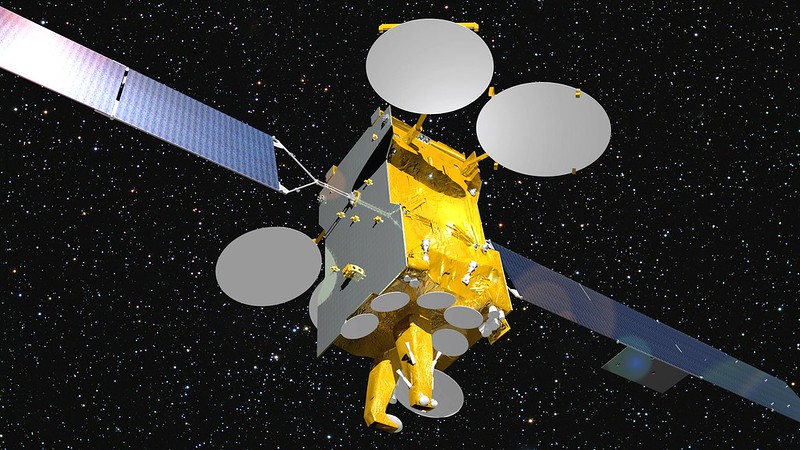
While the new Russian satellite didn't get super close to any others, its behavior "could be considered unfriendly," said Slingshot's Audrey Schaffer, who until recently served as the director of space policy at the National Security Council.

"We believe that space needs to be in a more sustainable state — that spaceflight safety is critical to connecting the world and making sure that we continue to have space as a portal of progress and knowledge. And that's at risk today," said Slingshot Aerospace co-founder Melanie Stricklan.